Leather has remained one of the most sought-after materials in the fashion industry for decades. From premium jackets and handbags to wallets, belts, footwear, and travel accessories, leather products continue to symbolize durability, luxury, and timeless style.
However, one question continues to dominate buyer searches in 2026:
Should you buy Genuine Leather or Faux Leather?
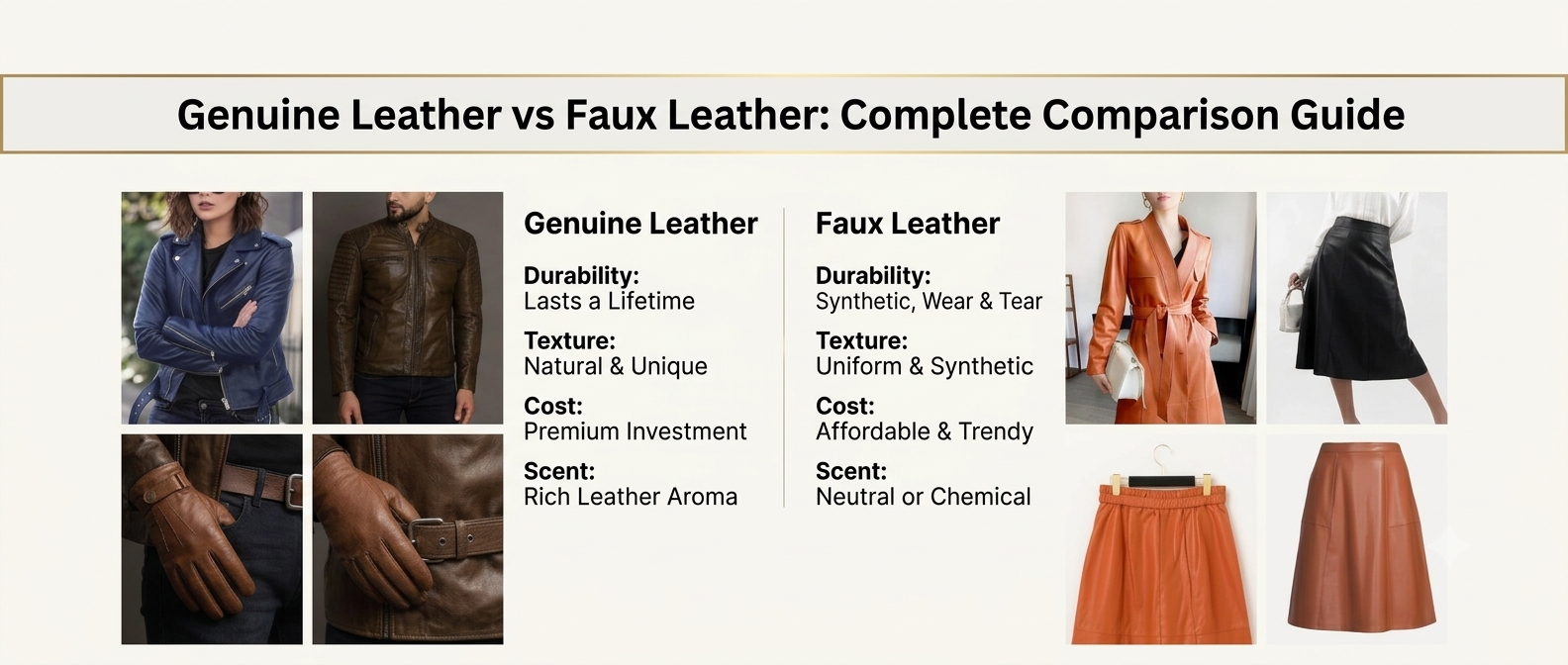
Both materials have their own advantages, disadvantages, and ideal applications. While genuine leather offers unmatched longevity and develops a beautiful patina with age, faux leather provides an affordable, animal-free alternative that has significantly improved in quality over the past few years.
Whether you're purchasing for personal use, launching your own fashion brand, or sourcing products for wholesale import, understanding the differences helps you make an informed decision.
This detailed guide compares genuine leather and faux leather across every important factor—from appearance and durability to maintenance, sustainability, cost, and long-term value.
What is Genuine Leather?
Genuine leather is made from real animal hide, most commonly cowhide, buffalo, sheep, or goat skin. The hides undergo tanning and finishing processes that transform raw skin into a durable material suitable for manufacturing fashion products.
Depending on the grade and finishing process, genuine leather can last decades with proper care.
Common genuine leather products include:
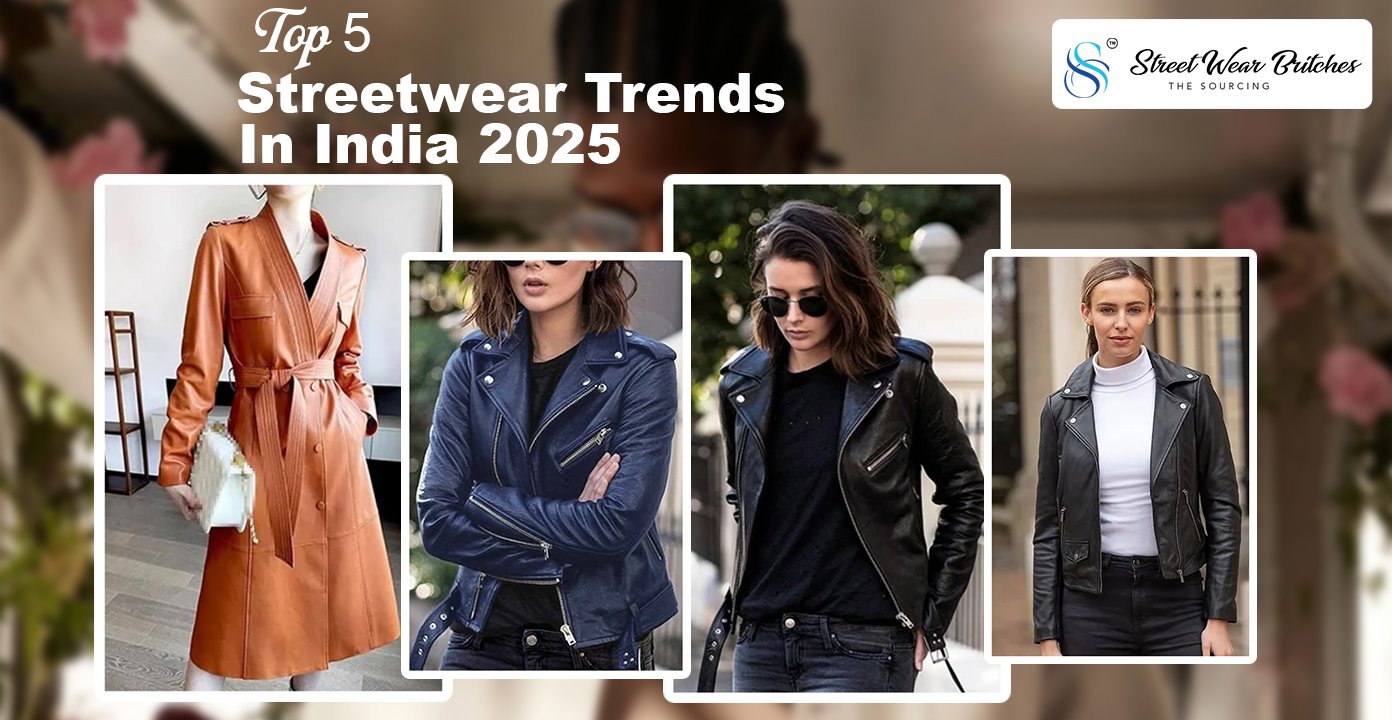
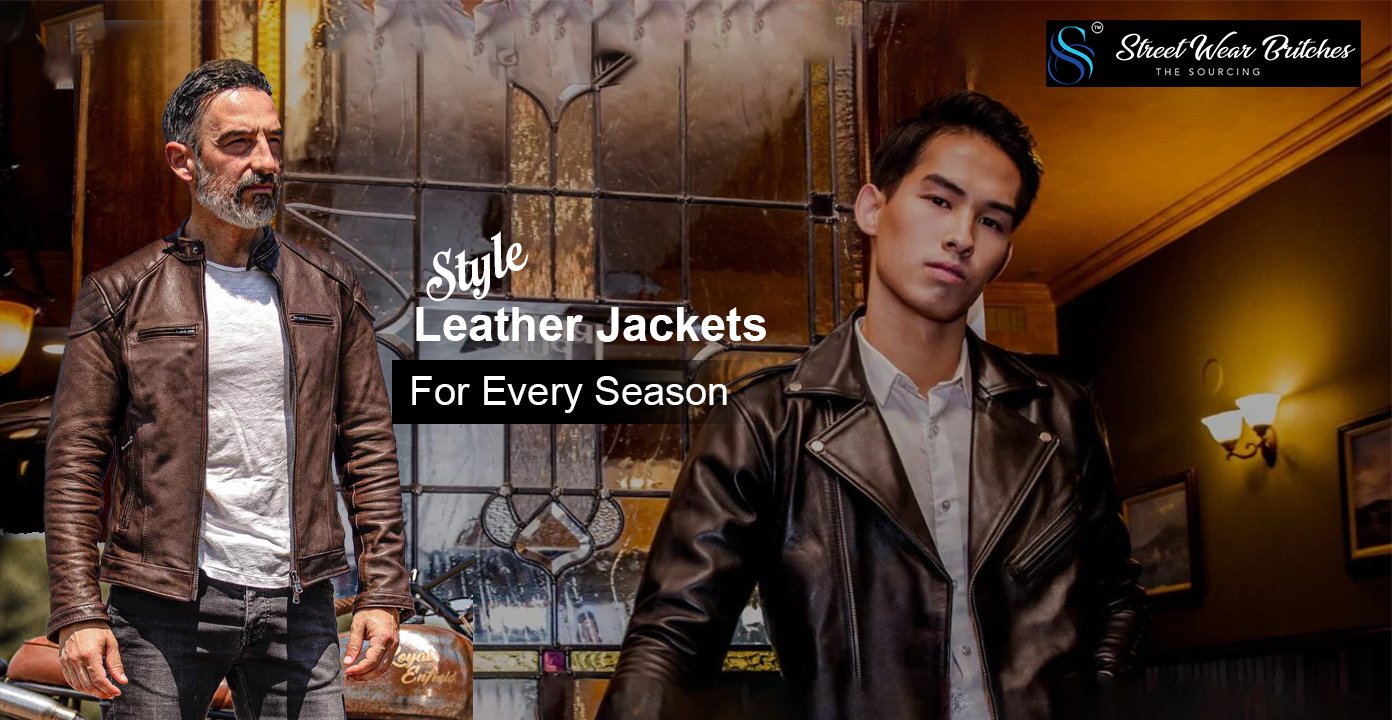
- Leather Jackets
- Leather Bags
- Wallets
- Belts
- Gloves
- Travel Accessories
- Shoes
- Fashion Accessories
Unlike synthetic materials, every genuine leather hide has unique natural grain patterns, making every product slightly different.
What is Faux Leather?
Faux leather (also called PU Leather, Vegan Leather, Artificial Leather, or Synthetic Leather) is manufactured using plastic-based materials such as polyurethane (PU) or polyvinyl chloride (PVC).
Instead of using animal hide, manufacturers coat fabric with synthetic materials to imitate the appearance of real leather.
Modern faux leather has become increasingly realistic in appearance and is widely used in:
- Fashion apparel
- Upholstery
- Bags
- Footwear
- Accessories
- Automotive interiors
Many fashion brands choose faux leather because it is inexpensive, lightweight, and available in numerous colors and textures.
Genuine Leather vs Faux Leather: Quick Comparison
| Feature |
Genuine Leather |
Faux Leather |
| Material |
Animal Hide |
PU/PVC Synthetic Material |
| Appearance |
Natural grain |
Uniform texture |
| Durability |
15–30+ Years |
2–8 Years |
| Breathability |
Excellent |
Moderate |
| Aging |
Develops Patina |
Peels over time |
| Feel |
Soft & Natural |
Smooth but Artificial |
| Water Resistance |
Moderate |
Better initially |
| Maintenance |
Requires conditioning |
Easy cleaning |
| Cost |
Higher |
Affordable |
| Luxury Value |
Premium |
Budget Friendly |
| Repairability |
Easy |
Difficult |
Appearance: Which Looks Better?
Genuine Leather
Real leather possesses unique natural characteristics.
Every hide contains:
- Natural pores
- Grain variations
- Wrinkles
- Minor imperfections
- Rich texture
These characteristics actually increase authenticity.
As leather ages, it develops a beautiful patina that enhances its appearance rather than reducing it.
Faux Leather
Faux leather looks extremely consistent.
Advantages include:
- Uniform color
- Perfect surface
- Consistent texture
- Wide variety of finishes
However, after prolonged use, synthetic coating may crack or peel.
Winner: Genuine Leather
Durability Comparison
Durability is where genuine leather clearly outperforms faux leather.
Genuine Leather
With proper maintenance:
- 15–30 years lifespan
- Can survive daily wear
- Becomes softer over time
- Does not peel
- Can be repaired
Many leather jackets become family heirlooms.
Faux Leather
Average lifespan:
- 2–8 years
- Surface coating eventually cracks
- Peeling occurs with age
- Difficult to repair
Heavy use significantly reduces lifespan.
Winner: Genuine Leather
Comfort & Breathability
Leather naturally breathes.
This means:
- Better temperature regulation
- Less sweating
- More comfortable during long wear
Faux leather traps heat because plastic coating reduces airflow.
This can make jackets or footwear uncomfortable in warm weather.
Winner: Genuine Leather
Water Resistance
Many buyers assume genuine leather is waterproof.
Actually:
Real leather is water-resistant, not waterproof.
Without treatment:
- Water may stain leather.
- Excess moisture may damage fibers.
Faux leather has better initial resistance because plastic repels water.
However, cracks eventually allow moisture inside.
Winner: Faux Leather (Short-Term)
Maintenance Requirements
Genuine Leather
Requires:
- Leather conditioner
- Occasional polishing
- Proper storage
- Dry environment
- Avoid prolonged sunlight
Maintenance preserves softness and longevity.
Faux Leather
Very simple maintenance:
- Wipe with damp cloth
- Mild soap
- No conditioning required
However, once peeling starts, restoration is nearly impossible.
Winner: Faux Leather (Ease of Care)
Which is More Sustainable?
This topic is becoming increasingly important in 2026.
Genuine Leather
Pros:
- Long lifespan
- Biodegradable under suitable conditions
- Often a by-product of the meat industry
Cons:
- Animal origin
- Tanning process can have environmental impacts if not responsibly managed
Faux Leather
Pros:
- Animal-free
- Lower upfront production cost
Cons:
- Plastic-based materials
- Difficult to recycle
- Can contribute to microplastic pollution
- Shorter lifespan often leads to more frequent replacement
There is no universal winner—overall environmental impact depends on sourcing, manufacturing methods, product longevity, and disposal practices.
Price Comparison
| Product |
Genuine Leather |
Faux Leather |
| Jacket |
Premium |
Budget-Friendly |
| Wallet |
Higher |
Lower |
| Belt |
Premium |
Affordable |
| Handbag |
Luxury Pricing |
Economical |
| Shoes |
Expensive |
Inexpensive |
While genuine leather requires a higher initial investment, its longer service life often results in better value over time.
Which Material Lasts Longer?
Average lifespan comparison:
- Genuine Leather: 15–30+ years
- Faux Leather: 2–8 years
The difference becomes even greater with regular maintenance.
Best Uses for Genuine Leather
Ideal for:
- Premium jackets
- Luxury handbags
- Wallets
- Belts
- Travel accessories
- Office bags
- Fashion accessories
- Long-term investments
Best Uses for Faux Leather
Ideal for:
- Trendy fashion
- Seasonal clothing
- Budget handbags
- Decorative accessories
- Temporary fashion collections
- Vegan fashion lines
How to Identify Genuine Leather
When shopping online or offline, look for these indicators:
Smell
- Real leather has a rich natural aroma.
- Synthetic leather often smells like plastic or chemicals.
Texture
- Real leather contains natural imperfections.
- Faux leather usually has a perfectly uniform pattern.
Flexibility
- Real leather wrinkles naturally when bent.
- Synthetic leather tends to fold more rigidly.
Back Side
- Real leather has a fibrous suede-like underside.
- Faux leather typically has a fabric backing.
Which Leather is Better for Jackets?
For jackets:
Choose Genuine Leather if you want:
- Long lifespan
- Premium appearance
- Better comfort
- Timeless fashion
- Excellent resale value
Choose Faux Leather if:
- Budget is limited
- You prefer a lightweight option
- You like frequently changing fashion trends
Which Leather is Better for Bags?
Daily-use bags benefit from:
- Strength
- Tear resistance
- Long-term durability
Genuine leather excels in all these areas.
Faux leather works well for occasional use and fashion-focused collections.
Genuine Leather vs Faux Leather: Pros & Cons
Genuine Leather
Pros
- Extremely durable
- Luxurious appearance
- Ages beautifully
- Breathable
- Repairable
- High resale value
- Timeless style
Cons
- Higher cost
- Requires maintenance
- Water-sensitive without treatment
Faux Leather
Pros
- Affordable
- Animal-free
- Lightweight
- Easy maintenance
- Available in many colors and finishes
Cons
- Short lifespan
- Peeling and cracking over time
- Lower breathability
- Difficult to repair
Which One Should You Buy in 2026?
The right choice depends on your priorities.
Choose Genuine Leather if:
- You value durability.
- You want a premium, long-lasting product.
- You appreciate natural materials that develop character with age.
- You're buying jackets, bags, wallets, belts, or accessories intended for years of use.
Choose Faux Leather if:
- Your budget is limited.
- You need a fashion item for occasional or seasonal use.
- You specifically prefer non-animal materials.
For most buyers seeking long-term value, genuine leather remains the stronger investment due to its durability, repairability, and timeless appeal.
Looking for a Reliable Leather Export Partner?
If you're an international buyer, retailer, importer, wholesaler, or private-label fashion brand, partnering with the right sourcing company is just as important as selecting the right material.
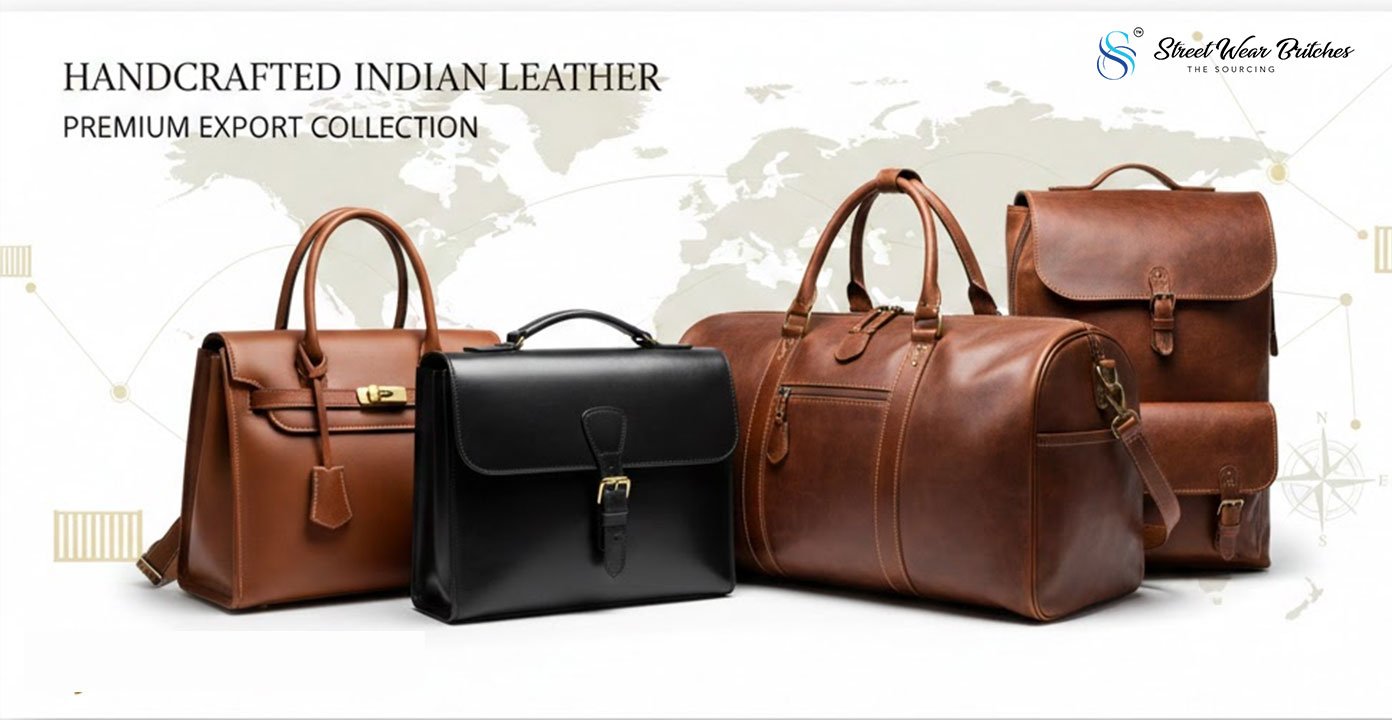
Street Wear Britches is an Indian merchant exporter specializing in leather garments and fashion accessories. Rather than limiting buyers to a single manufacturing facility, the company sources from a trusted network of verified manufacturers to deliver products that meet diverse design, quality, and volume requirements. Its portfolio includes leather jackets, bags, wallets, belts, fashion accessories, apparel, and home décor, with a focus on quality control, competitive pricing, and dependable export support.
Whether you require OEM manufacturing, private labeling, customized designs, or bulk export orders, Street Wear Britches can help simplify your sourcing process with professional coordination from product development through shipment.
Explore the complete range of leather garments and accessories: https://www.streetwearbritches.in/leather-garments-&-accessories.html
Frequently Asked Questions (FAQs)
1. Is genuine leather better than faux leather?
For durability, longevity, comfort, and premium appearance, genuine leather generally performs better. Faux leather is a more affordable alternative suited to shorter-term or fashion-focused use.
2. Does faux leather peel?
Yes. Over time, the synthetic coating on many faux leather products can crack and peel, especially with frequent use or exposure to heat and sunlight.
3. How long does genuine leather last?
With proper care, genuine leather products commonly last 15–30 years or longer.
4. Is faux leather waterproof?
Faux leather is generally more water-resistant than untreated genuine leather, but it is not immune to wear or damage over time.
5. Which leather is best for jackets?
Genuine leather is usually the preferred choice for jackets because of its durability, comfort, premium appearance, and ability to age gracefully.
6. Which leather is more expensive?
Genuine leather typically costs more because of the natural raw material and more involved processing.
7. Can genuine leather be repaired?
Yes. Scratches, stitching issues, and many forms of wear can often be repaired or restored by leather specialists.
8. Is faux leather vegan?
Most faux leather products are animal-free, though buyers should verify the specific materials used by the manufacturer.
9. Which leather is best for handbags?
For everyday use and long-term durability, genuine leather is generally the better option. Faux leather can be suitable for budget-conscious or seasonal fashion.
10. Where can international buyers source quality leather products from India?
Merchant exporters such as Street Wear Britches help global buyers source leather garments and accessories from trusted manufacturing partners while providing export documentation, quality checks, and customized sourcing solutions.