Western women’s wear has become a broad fashion category covering dresses, skirts, tops, tunics, casual outfits, party wear and contemporary silhouettes. For retailers, boutiques, wholesalers and fashion businesses, the category offers multiple product options across different price segments, seasons and customer preferences.
According to Street Wear Britches – Western Womens Wear, Western Women’s Wear includes clothing influenced by fashion traditions from Europe and North America, with products ranging from casual to more formal styles. The page also highlights fabric comfort, stitching and finishing, style and fit accuracy as important quality considerations.
What Is Western Women's Wear?
Western women's wear refers to contemporary clothing designed around modern Western fashion silhouettes and styling. It can include both everyday and occasion-oriented garments, with different combinations of fabrics, cuts, prints, lengths and sleeve designs.
Common categories include:
- Western dresses
- Midi and knee-length dresses
- Casual dresses
- Printed dresses
- Party wear dresses
- Western tops
- Skirts
- Leather skirts
- Tunics
- Co-ord outfits
- Contemporary ethnic-western fusion
- Casual and smart-casual outfits
- Seasonal sweaters and layered clothing
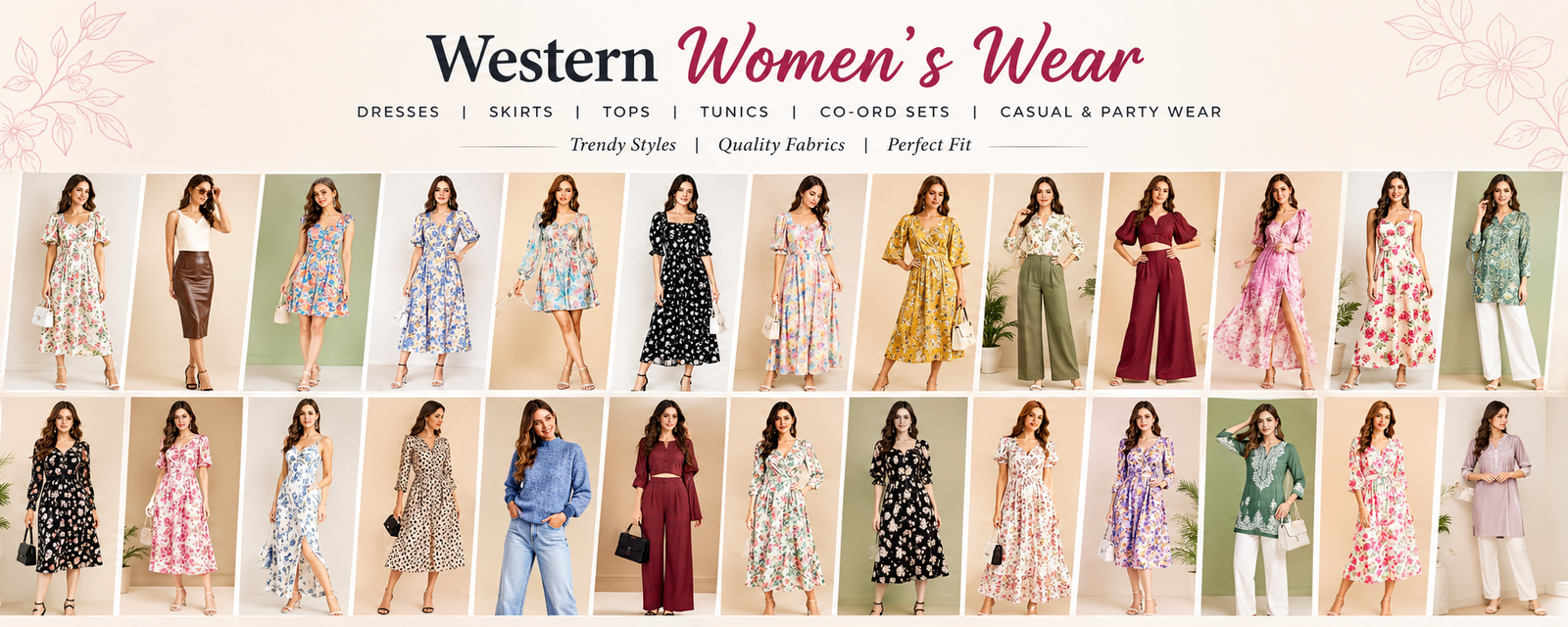
The product range shown on the Street Wear Britches page includes printed dresses, skirts, dresses with different sleeve patterns, tunic-style outfits and contemporary women's silhouettes.
Popular Types of Western Women's Wear
1. Western Dresses
Western dresses are among the most versatile women's apparel products. Depending on the design, they can be positioned as casual wear, office wear, vacation wear or party wear.
Popular variations include:
- Floral dresses
- Printed dresses
- Midi dresses
- A-line dresses
- Fit-and-flare dresses
- Shirt dresses
- Long dresses
- Sleeved dresses
- Casual day dresses
The Western Womens Wear page features several printed and floral dress designs, including floral midi silhouettes and printed dresses with different sleeve treatments.

2. Western Skirts
Skirts are another important category for boutiques and fashion retailers. They can be sold separately or combined with tops to create complete outfits.
Common options include:
- Leather skirts
- Pencil skirts
- A-line skirts
- Midi skirts
- Printed skirts
- Pleated skirts
- Casual skirts
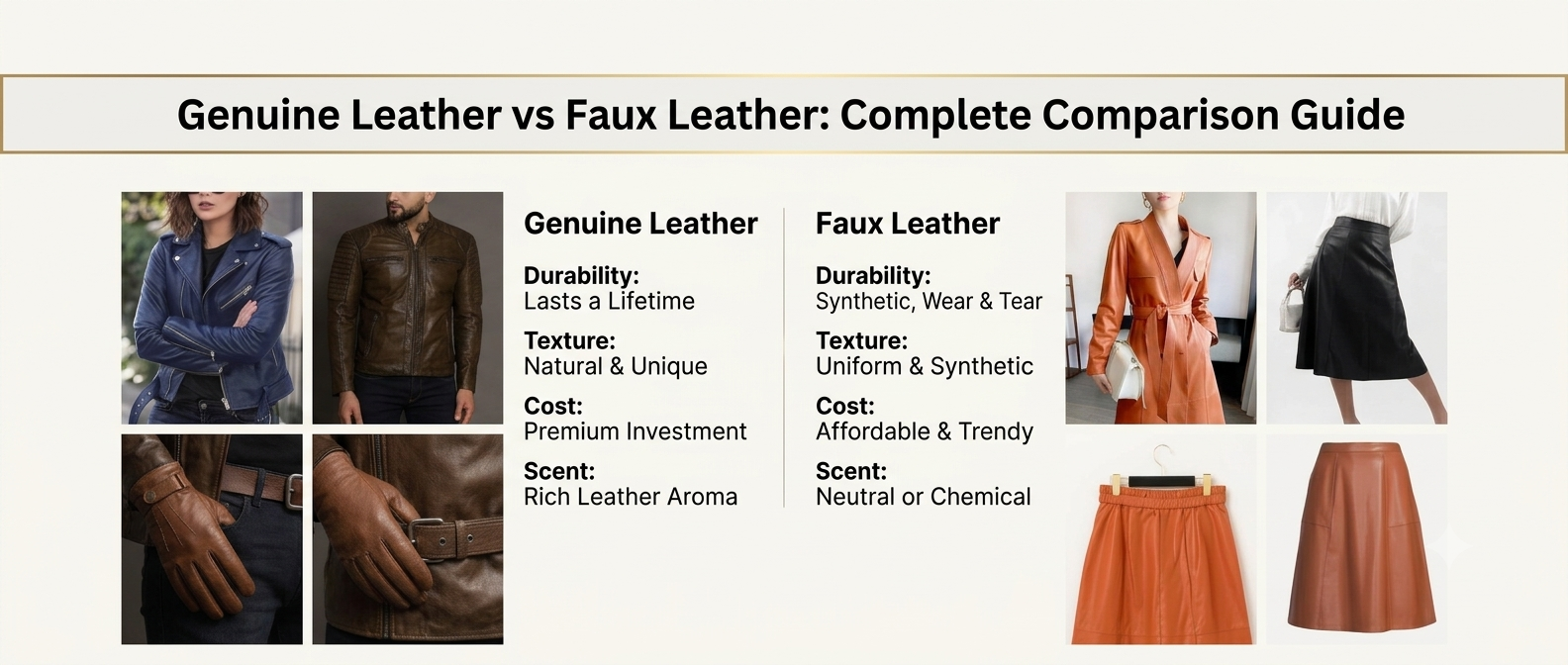
One of the styles displayed on the source page is a brown leather-look pencil skirt paired with a contemporary top.

3. Floral and Printed Dresses
Floral and printed patterns are widely used in women's western clothing because they can be adapted to casual, summer and occasion-oriented collections.
Design considerations include:
- Floral density
- Print size
- Base colour
- Sleeve design
- Waist construction
- Dress length
- Fabric fall
The source page shows several floral and printed designs, including colourful short dresses, midi dresses and longer silhouettes.


4. Casual Western Wear
Casual western clothing is designed for everyday use and generally focuses on comfort, practical styling and easy movement.
Examples include:
- Casual dresses
- Cotton dresses
- Tops
- Tunics
- Sweaters
- Casual skirts
- Everyday printed outfits
The product examples on the page include comfortable-looking dresses and a knit sweater paired with denim, demonstrating different approaches to casual western styling.

5. Contemporary Party and Occasion Wear
Western women's wear also covers outfits designed for parties, dinners, celebrations and other social occasions.
Retailers can consider:
- Statement sleeves
- Metallic or textured fabrics
- Printed dresses
- Flared silhouettes
- Two-piece outfits
- Crop-top and skirt combinations
- Embellished details
For example, the source page includes a coordinated burgundy crop-top and wide-leg bottom outfit that demonstrates a more occasion-oriented silhouette.

Western Women's Wear for Wholesale Buyers
For wholesalers, distributors, boutiques and retailers, selecting western women's wear requires more than choosing attractive designs. Product quality, sizing, fabric, finishing, consistency and commercial suitability can directly affect customer satisfaction and repeat purchases.
Key Wholesale Buying Factors
| Factor |
What to Check |
| Fabric |
Composition, weight, feel, breathability and durability |
| Stitching |
Seam quality, thread finishing and construction |
| Fit |
Size consistency and garment measurements |
| Design |
Prints, cuts, sleeves, necklines and silhouettes |
| Colour |
Colour accuracy and batch consistency |
| Finishing |
Hems, seams, zippers, buttons and other details |
| MOQ |
Minimum quantity required per design or order |
| Size Range |
Availability of commonly demanded sizes |
| Packaging |
Individual and bulk packaging |
| Delivery |
Production and dispatch timeline |
| Customisation |
Private label, colours, prints or size modifications |
Street Wear Britches specifically highlights fabric and comfort, stitching and finish, and style and fit accuracy as quality considerations for women's wear.
How to Choose Western Women's Wear for Your Business
For Boutiques
Boutiques can focus on distinctive designs, printed dresses, statement sleeves, contemporary skirts and occasion wear. A smaller but varied collection can help create a differentiated product mix.
For Online Fashion Stores
Online sellers should pay particular attention to:
- Accurate product measurements
- Size charts
- Product photography
- Fabric descriptions
- Colour descriptions
- Front and back product views
- Sleeve and neckline details
- Return-related considerations
For Wholesalers
Wholesale buyers should compare suppliers based on:
- Wholesale pricing
- MOQ
- Product variety
- Manufacturing capacity
- Quality consistency
- Size availability
- Sampling process
- Delivery schedule
- Packaging
- Customisation capability
For Export Businesses
Export buyers should additionally consider destination-market preferences, size standards, labelling, packaging, documentation and shipment requirements.
Western Women's Wear Trends for Retail Collections
The source page identifies several developments associated with contemporary women's fashion, including sustainable fashion, tech-integrated clothing and gender-fluid styles.
For commercial collections, businesses can also monitor:
Floral Prints
Floral patterns remain suitable for casual and seasonal collections. Different print scales can create different visual effects.
Midi-Length Silhouettes
Midi dresses offer a balance between shorter and longer dress styles and can be positioned for casual or semi-formal use.
Statement Sleeves
Bell sleeves, flared sleeves, puff sleeves and other sleeve variations can add visual distinction to otherwise simple garments.
Coordinated Outfits
Matching tops and bottoms can help retailers create complete outfit collections instead of selling individual garments.
Comfortable Fits
Comfort-oriented cuts and fabrics are increasingly important for everyday apparel, particularly for casual collections.
Quality Checklist for Western Women's Wear
Before purchasing a wholesale collection, buyers should inspect samples for the following:
Fabric
Check texture, weight, transparency, stretch and overall comfort.
Stitching
Inspect seams, hems, sleeve attachment and loose threads.
Fit
Compare actual garment measurements with the supplier's size chart.
Print Quality
Check whether printed patterns are clear, consistent and properly positioned.
Colour
Compare the physical sample with the approved colour reference.
Fasteners
Inspect zippers, buttons, hooks and other closures.
Finishing
Look for uneven hems, exposed threads, weak seams and other manufacturing defects.
Image Collection from the Western Women's Wear Page
The following image paths are available on the supplied Street Wear Britches page and can be used within the blog where appropriate:
The image filenames above correspond to image assets shown on the supplied page; the page contains the Western-womens-wear12.jpg through Western-womens-wear24.jpg sequence, including the women's wear gallery and additional product imagery.
Why Source from an Experienced Women's Wear Supplier?
For a fashion retailer or distributor, supplier selection affects product consistency, availability and customer experience. An experienced supplier can provide a broader product range while helping buyers source garments according to their target market and business requirements.
Street Wear Britches presents itself as a women's wear sourcing and supply business and highlights quality control covering fabric, stitching, finishing, style and fit. The company is located in Gurugram, Haryana, India.
For businesses looking for western women's clothing for wholesale supply, retail stores, boutiques, online fashion businesses or export requirements, product specifications and commercial requirements should be discussed before placing a bulk order.
Frequently Asked Questions
1. What is Western Women's Wear?
Western women's wear includes contemporary clothing influenced by Western fashion, including dresses, skirts, tops, tunics, casual outfits and occasion wear.
2. What are the main types of Western women's clothing?
Major categories include dresses, skirts, tops, tunics, sweaters, casual wear, party wear and coordinated outfits.
3. Is Western women's wear suitable for wholesale buying?
Yes. Western clothing can be sourced in bulk for boutiques, retailers, distributors, online stores and other fashion businesses.
4. What should I check before buying wholesale women's wear?
Check fabric, stitching, measurements, fit, colour, finishing, size range, MOQ, packaging and delivery terms.
5. Which Western dresses are suitable for everyday wear?
Casual printed dresses, midi dresses, cotton dresses, shirt dresses and comfortable A-line styles can be considered for everyday collections.
6. What makes a good Western women's wear product?
A commercially suitable product generally requires appropriate fabric, comfortable construction, consistent sizing, clean stitching, suitable finishing and market-relevant design.
7. Can Western women's clothing be customised?
Customisation depends on the supplier. Buyers should discuss fabric, colour, print, measurements, labels, packaging and other requirements before production.
8. What is important when sourcing Western wear for export?
Export buyers should consider destination-market preferences, sizing, labelling, packaging, quality standards, documentation and shipping requirements.
9. How can retailers select the right Western wear collection?
Retailers should evaluate their target customers, price segment, season, preferred styles, size demand and expected selling price before selecting products.
10. Where can businesses source Western women's wear in bulk?
Businesses can approach manufacturers, wholesalers, exporters and sourcing companies that provide the required product range, quality specifications and commercial order quantities.