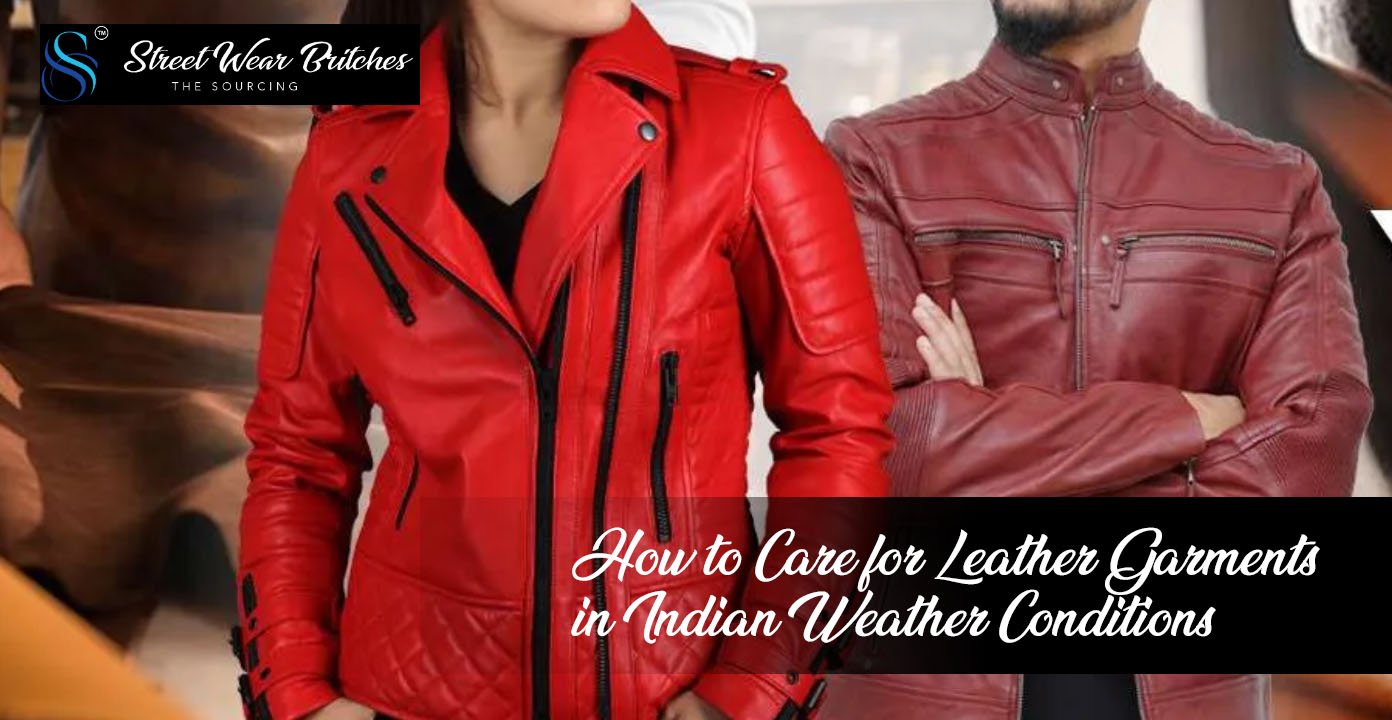
Leather garments — whether a jacket, skirt, or pair of trousers — never go out of style. They symbolize elegance, luxury, and confidence. However, caring for leather in India’s diverse and unpredictable weather can be tricky. From the hot and dry winds of Delhi to the sticky humidity of Mumbai, every region poses unique challenges to maintaining leather quality.
Without proper care, leather can lose its sheen, crack, or even develop mold. But with a few smart habits and climate-specific techniques, you can keep your leather garments looking new for years.
Understanding Leather and Its Sensitivity
Leather is a natural material made from animal hide, known for its strength, flexibility, and distinct texture. But it’s also porous and sensitive to environmental conditions.
- Genuine leather breathes and ages gracefully with time but can dry or absorb moisture easily.
- Suede and nubuck are more delicate, with a velvety surface prone to stains and scratches.
- Faux leather (PU or synthetic) resists moisture better but may crack faster in heat.
Weather Impact:
- Heat and Sun: Dry out leather oils, leading to cracks.
- Humidity: Promotes mold and odor formation.
- Dust and Pollution: Settle on the surface, dulling its finish.
Knowing your leather type helps you pick the right care products and frequency of maintenance.
Impact of Indian Weather on Leather
India’s climate ranges from arid to coastal humidity, and each region demands a different care approach.
a. Hot and Dry Regions (e.g., Rajasthan, Delhi, Gujarat)
- Common Issues: Cracking, fading, and surface stiffness due to low humidity.
- Care Tips:
- Use leather conditioners once a month to restore oils.
- Keep away from direct sunlight or heaters.
- Apply a UV-protection leather spray to prevent discoloration.
- Store in a cool, shaded wardrobe.
b. Humid and Coastal Areas (e.g., Mumbai, Chennai, Kolkata)
- Common Issues: Mold growth, odor, sticky feel.
- Care Tips:
- Store garments with silica gel or moisture absorbers.
- Wipe the surface weekly with a dry microfiber cloth.
- Allow ventilation — avoid sealed boxes or plastic covers.
- Use anti-fungal leather sprays during monsoon.
c. Cold or Moderate Regions (e.g., Himachal, Bengaluru, Pune)
- Common Issues: Mild stiffness, dust accumulation, less drying sunlight.
- Care Tips:
- Use soft brushes to remove dust.
- Occasionally oil the garment edges and seams.
- Keep in breathable cotton garment bags.
Daily Care Routine for Leather Garments
A little daily care goes a long way in extending the life of leather apparel:
- Wipe after use: Use a soft, dry cloth to remove sweat or dust.
- Avoid folding: Always hang leather jackets or pants on wide, padded hangers to maintain their shape.
- Let it breathe: After wearing, let the garment rest in an airy space for an hour before storage.
- Avoid plastic: Plastic covers trap moisture — always use cotton or canvas covers.
- Keep away from perfumes and deodorants: These can stain or discolor leather.
Consistency is the secret — five minutes of care after each use prevents long-term damage.
Cleaning and Conditioning Leather
Leather garments don’t need frequent washing — they need gentle cleaning and moisturizing.
Step-by-Step Cleaning Guide:
- Dust Removal: Wipe with a soft dry cloth or use a soft-bristled brush.
- Spot Cleaning: For minor stains, use a damp cloth with mild soap (like baby shampoo). Avoid soaking.
- Drying: Let it air dry naturally, away from sunlight or heat.
- Conditioning: Once dry, apply a leather conditioner or balm evenly using a sponge.
- Buffing: Polish lightly with a microfiber cloth for shine.
Frequency:
- In humid regions, condition once every 3–4 weeks.
- In dry climates, condition every 6–8 weeks.
Conditioners help maintain the natural oils, prevent stiffness, and enhance the look of your leather garment.
Storing Leather Garments Properly
Storage is just as important as cleaning — especially in Indian homes where moisture and dust are constant threats.
Best Storage Practices:
- Store in a cool, dry wardrobe with moderate ventilation.
- Insert silica gel packs or activated charcoal pouches to absorb humidity.
- Never store in airtight containers or plastic covers.
- For long-term storage (e.g., off-season):
- Clean and condition before storing.
- Use a breathable cotton garment bag.
- Keep the storage area away from walls or windows where condensation might form.
Temperature & Humidity Ideal:
- Temperature: 20–25°C
- Humidity: Below 60%
If you live in a monsoon-prone city, use a dehumidifier or wardrobe moisture absorber during storage.
Monsoon Care Tips
Indian monsoons can be disastrous for leather if neglected. Moisture, fungus, and bad odor are common problems.
Here’s how to protect your leather during the rainy months:
- Avoid wearing leather during heavy rain unless it’s water-resistant.
- If it gets wet, pat dry gently with a towel — do not rub.
- Let it air dry naturally in shade; never use a hair dryer or iron.
- Once dry, apply a small amount of leather conditioner.
- Place camphor balls or silica gel in your closet to absorb dampness.
- If fungus appears, wipe it gently with a mixture of equal parts white vinegar and water, then dry immediately.
A regular anti-fungal spray treatment is a must during monsoon in coastal cities.
Dos and Don’ts of Leather Care
Do:
- Regularly clean and condition your leather.
- Use only pH-balanced leather care products.
- Store in breathable covers.
- Test any new cleaner on a small, hidden area first.
- Allow garments to rest after use before storing.
Don’t:
- Use detergents, bleach, or alcohol-based cleaners.
- Expose leather to direct sunlight or heat for long.
- Iron directly on leather.
- Store wet or damp garments.
- Fold or stack leather clothes tightly.
Following these golden rules ensures your leather lasts for many years while retaining its natural charm.
Professional Leather Maintenance
Even with the best home care, professional maintenance is essential once or twice a year — especially for expensive pieces.
When to Seek Professional Help:
- Deep stains, mold, or unpleasant odors.
- Peeling or color fading.
- When the leather becomes too dry or hard.
Service Costs (Approx. in India):
| Service Type |
Average Cost (?) |
Recommended Frequency |
| Basic Leather Cleaning |
500 – 1000 |
Once in 6 months |
| Deep Conditioning/Polishing |
1000 – 1500 |
Annually |
| Fungus Removal Treatment |
800 – 1200 |
As needed |
| Re-dyeing or Restoration |
1500 – 3000 |
As needed |
Always choose reputed dry cleaners or specialists who specifically handle leather garments, not regular fabrics.
Sustainable and Eco-Friendly Leather Care Options
With increasing awareness about sustainability, many eco-conscious people prefer natural care solutions that are safe and effective.
Natural Care Ideas:
- Coconut oil: Works as a mild natural conditioner (apply sparingly).
- White vinegar: Effective against mildew and odor when diluted.
- Cornstarch or talcum powder: Helps absorb oil stains.
- Olive oil with lemon juice: Adds shine naturally.
Eco-Friendly Practices:
- Avoid chemical-heavy sprays and waxes.
- Choose vegetable-tanned leather, which is more sustainable.
- Reuse old cotton cloths for cleaning instead of disposable wipes.
Sustainable care not only preserves your garments but also reduces your environmental footprint.
Leather garments are timeless investments — stylish, durable, and luxurious. But India’s varied climate demands careful and consistent maintenance. Whether you live in a hot, humid, or cold region, understanding how weather affects leather can save you from costly repairs.
By following the right storage, cleaning, and conditioning habits, you can keep your leather jackets and accessories supple, shiny, and odor-free — season after season.
Remember, “Good leather lasts forever, only if you care for it today.”
1. How often should leather garments be conditioned in India?
In humid climates, once every 3–4 weeks; in dry regions, every 6–8 weeks.
2. Can I use a hair dryer to dry wet leather?
No. Always air dry leather naturally to prevent cracking or stiffness.
3. What’s the best way to store leather jackets during monsoon?
Keep them in cotton covers with silica gel or camphor balls to absorb moisture.
4. How can I remove a musty smell from leather?
Wipe with a diluted vinegar solution and air out the garment in shade.
5. Are coconut oil or petroleum jelly good for leather?
Coconut oil is fine in moderation; petroleum jelly can clog pores — avoid frequent use.
6. How do I prevent cracks in leather jackets during summer?
Avoid direct sun exposure and condition regularly to restore lost oils.
7. Is it okay to wear leather in humid weather?
Yes, but keep it ventilated and clean after wearing to prevent stickiness or mildew.
8. How to identify fungus on leather garments?
White, green, or black powdery patches indicate mold or fungus — clean immediately.
9. How long can leather garments last with proper care?
High-quality leather can last 10–20 years or more with regular maintenance.
10. Are there specific brands of leather conditioners for Indian weather?
Yes — brands like Nikwax, Collonil, Leather Honey, and Bickmore offer weather-suitable products.