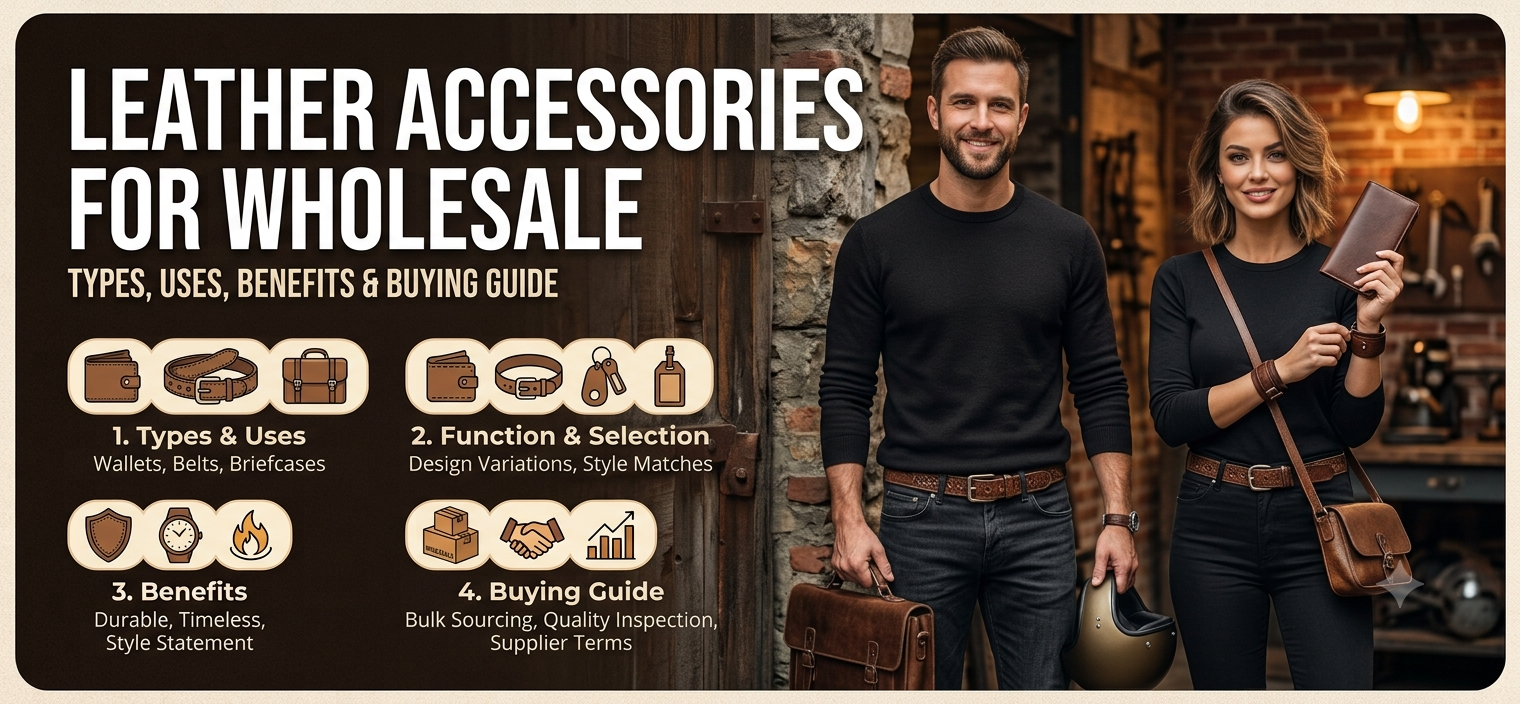
Leather accessories are widely used in fashion and lifestyle collections because they combine functionality with a distinctive material appearance. Belts, wallets, purses, handbags, gloves and leather jackets are among the product categories used by retailers and fashion businesses.
For wholesale buyers, choosing the right leather accessories involves more than selecting attractive designs. Material quality, construction, finishing, colours, product specifications, sourcing practices and bulk order requirements should all be considered before purchasing.
What Are Leather Accessories?
Leather accessories are fashion and lifestyle products made using leather materials. Unlike leather garments, which primarily refer to clothing, accessories generally include smaller products designed for personal use, styling or practical functions.
Popular leather accessories include belts, wallets, purses, handbags and gloves. Leather jackets and other apparel can also form part of a broader leather product collection.
Popular Types of Leather Accessories
Leather Belts
Leather belts are practical accessories that can be used with casual, formal and fashion clothing. Important specifications include belt width, leather material, buckle design, stitching, colour and finishing.
Leather Wallets
Leather wallets are compact everyday accessories. Different designs can include cash compartments, card slots and other storage sections. Retailers can select wallet designs according to their customer requirements and price segment.
Leather Purses and Handbags
Leather handbags and purses combine storage functionality with fashion appeal. They can be produced in different shapes, sizes, colours and handle or strap configurations.
Leather Gloves
Leather gloves can be manufactured for fashion and practical applications. Design, fit, lining, stitching and finishing are important factors when selecting gloves for a retail collection.
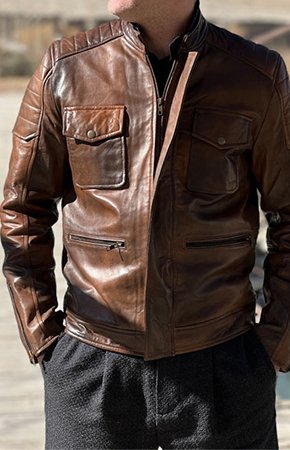
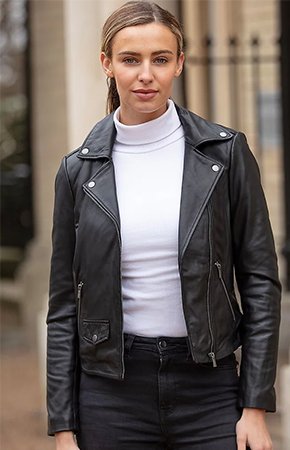
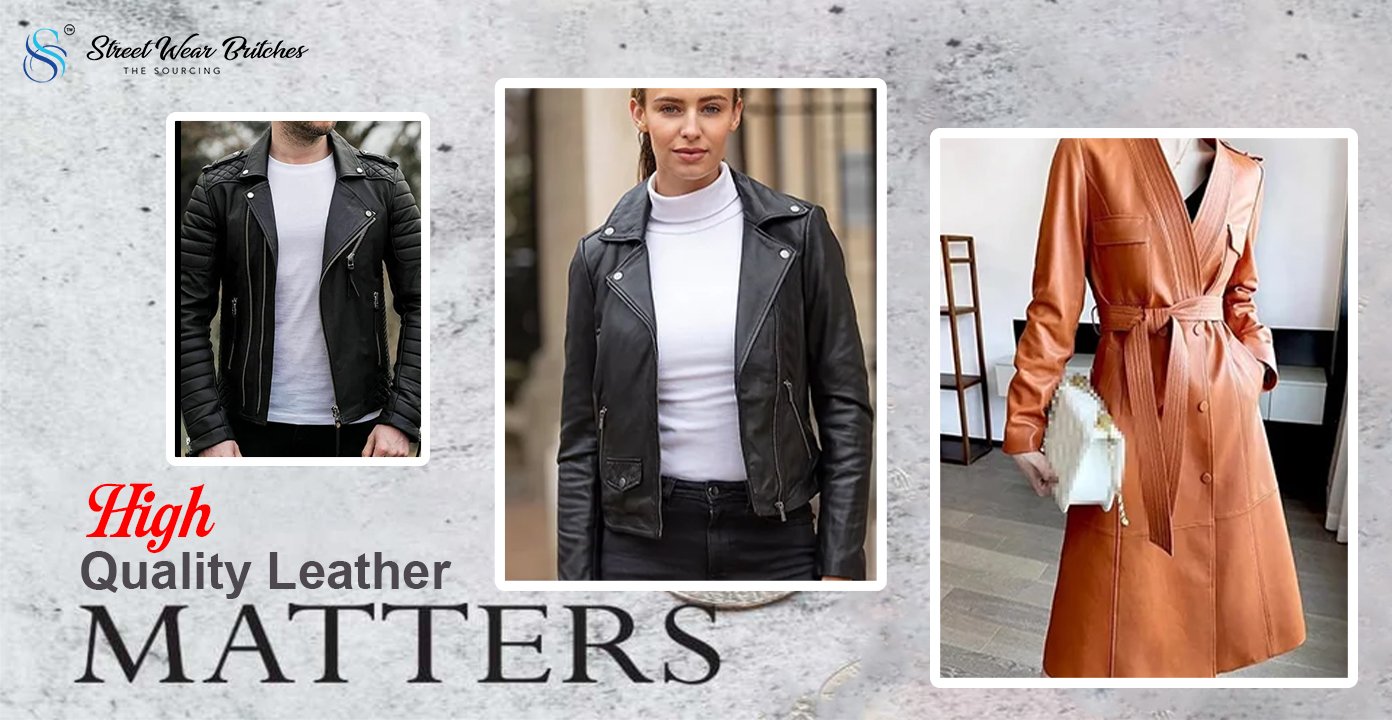
Leather Jackets
Leather jackets can complement accessory collections and are available in different cuts and designs. They can be offered as men's or women's fashion products.
Why Are Leather Accessories Popular?
Leather accessories are commonly selected for their distinctive appearance, durability and versatility. Properly maintained leather products can remain useful for a long period, while their surface and texture provide a different look from many textile-based accessories.
Key Product Characteristics
- Resistance to regular wear when properly maintained
- Distinctive leather texture and appearance
- Availability in different colours and styles
- Potential for long-term use
- Suitable for both fashion and functional applications
Leather Accessories for Wholesale Buyers
Wholesale buyers should first identify the product categories required for their market. A fashion retailer may need handbags and belts, while another business may focus on wallets, gloves or leather apparel.
Buying multiple leather products from a supplier with a broader collection can also make sourcing more organised. However, each product should still be evaluated according to its individual material, construction and finishing requirements.
Factors to Consider When Buying Leather Accessories
| Factor |
What Buyers Should Check |
| Leather Material |
Material type, quality, texture and finish. |
| Craftsmanship |
Stitching, cutting, seams and overall construction. |
| Hardware |
Buckles, zippers, buttons and other hardware components. |
| Colour |
Black, brown and other colours according to the target market. |
| Order Quantity |
MOQ, production requirements and bulk availability. |
| Packaging |
Packaging specifications and shipping requirements. |
Leather Accessories in Different Colours and Styles
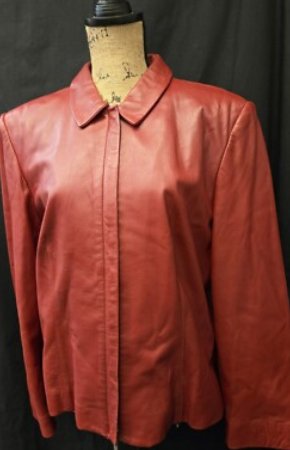
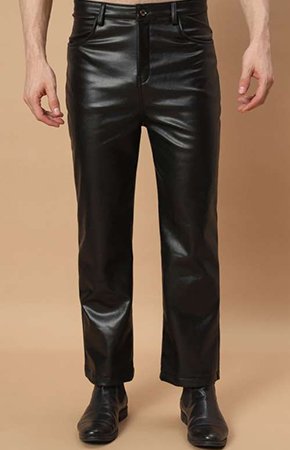
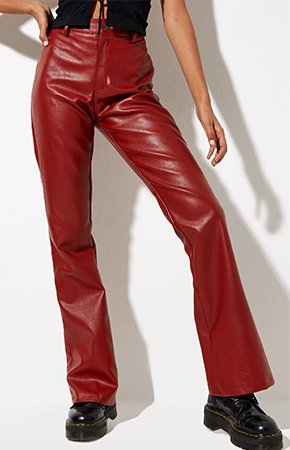
Colour and design can significantly influence the positioning of a leather collection. Black and brown products are versatile options for many collections, while colours such as red can be used for more fashion-oriented designs.
How to Choose a Leather Accessories Supplier?
1. Check the Product Range
Check whether the supplier offers the categories your business requires, such as belts, wallets, handbags, purses, gloves and leather garments.
2. Ask for Material Specifications
Ask the supplier for clear information about the leather material, finish, construction and product specifications before placing a bulk order.
3. Evaluate Craftsmanship
Inspect stitching, edges, seams, hardware, lining and surface finishing. These details can influence the appearance and practical performance of the finished product.
4. Discuss Wholesale Requirements
Confirm MOQ, available quantities, production time, packaging, customisation and delivery requirements before finalising the order.
Leather Product Maintenance
Leather products should be maintained according to the care instructions provided by the manufacturer. Suitable cleaning, storage and handling can help preserve the appearance of leather goods.
Buyers should also consider storage conditions during transportation and warehousing, particularly when purchasing leather products in bulk.
Why Source Multiple Leather Products From One Supplier?
Businesses that require several categories of leather products may benefit from working with a supplier that has a wider product range. It can simplify communication, product selection and wholesale procurement.
However, buyers should still review the specifications and quality of each product category individually before confirming a large order.
Leather accessories cover a broad range of products including belts, wallets, handbags, purses and gloves, while leather garments such as jackets and trousers can complement these collections. Their combination of functionality, distinctive appearance and durability makes them relevant to different fashion and lifestyle markets.
For wholesale sourcing, businesses should evaluate material specifications, craftsmanship, finishing, designs, colours, MOQ, packaging and supplier capabilities before placing an order.
Explore Leather Garments & Accessories for Wholesale
Source leather clothing and accessories according to your product, design and bulk purchasing requirements.