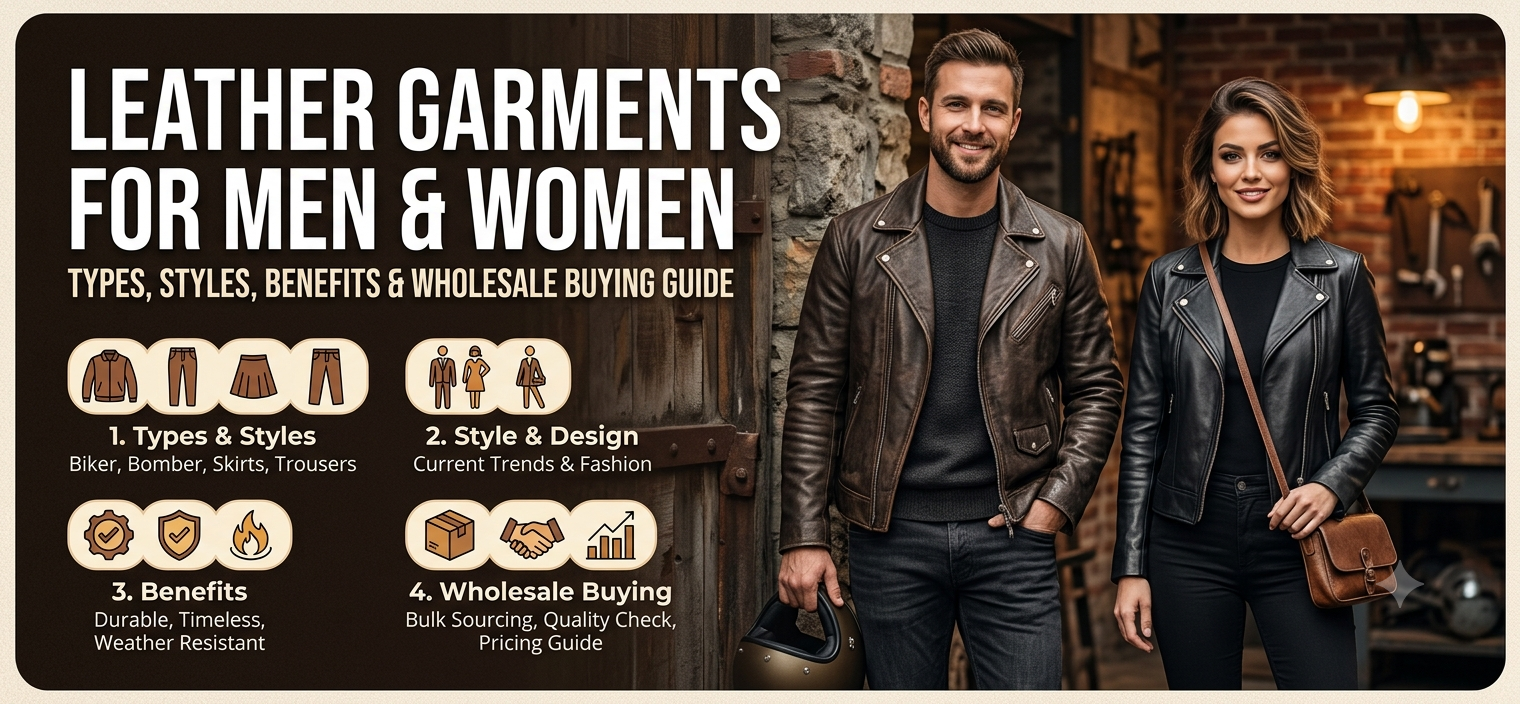
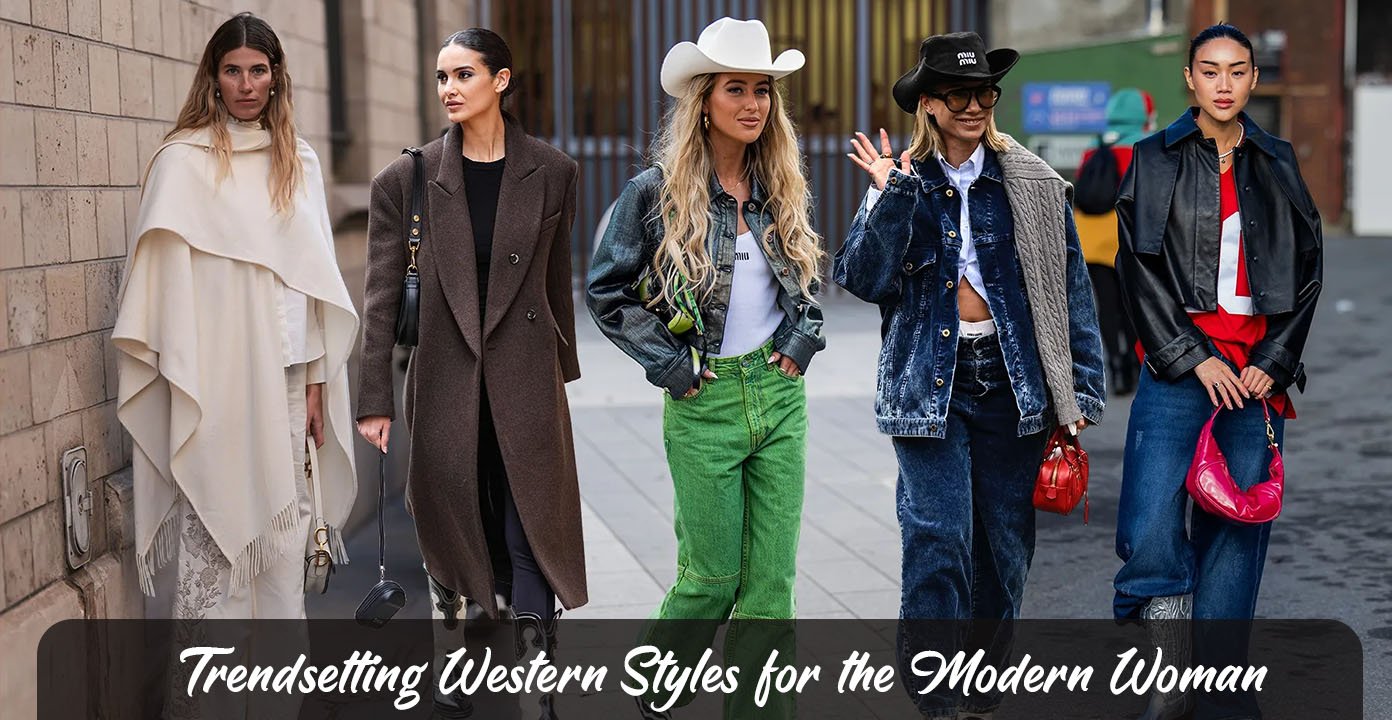
Leather garments have remained an important part of fashion and outerwear collections because of their distinctive appearance, durability and versatile styling. From leather jackets and coats to skirts and trousers, leather clothing is available in different designs for men and women.
For wholesalers, retailers, fashion brands and sourcing companies, understanding the different types of leather garments and their important specifications can make bulk purchasing easier. Material quality, construction, finishing, design, size availability and supplier capabilities are important factors to consider before placing an order.
What Are Leather Garments?
Leather garments are clothing products manufactured using leather materials. They are commonly used for outerwear and fashion collections and can be designed in different cuts, colours and finishes.
Popular leather clothing products include jackets, coats, trousers, skirts and other fashion garments. Depending on the design and construction, these products can be positioned for casual wear, fashion collections, seasonal wear and lifestyle markets.
Popular Types of Leather Garments
1. Leather Jackets
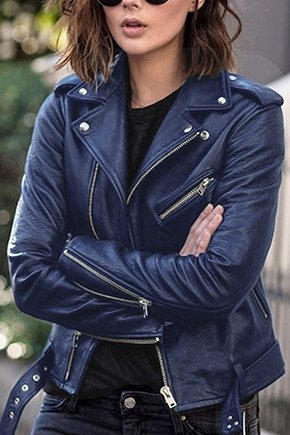
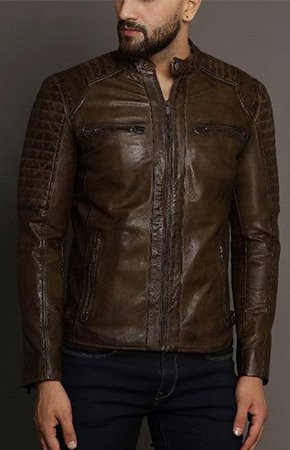
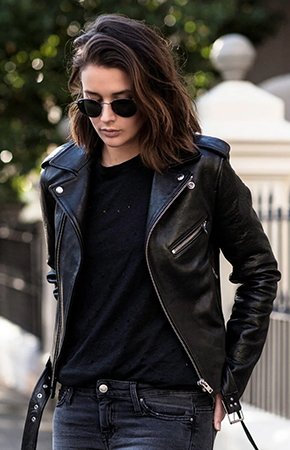
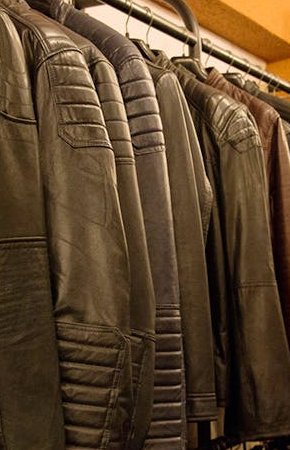
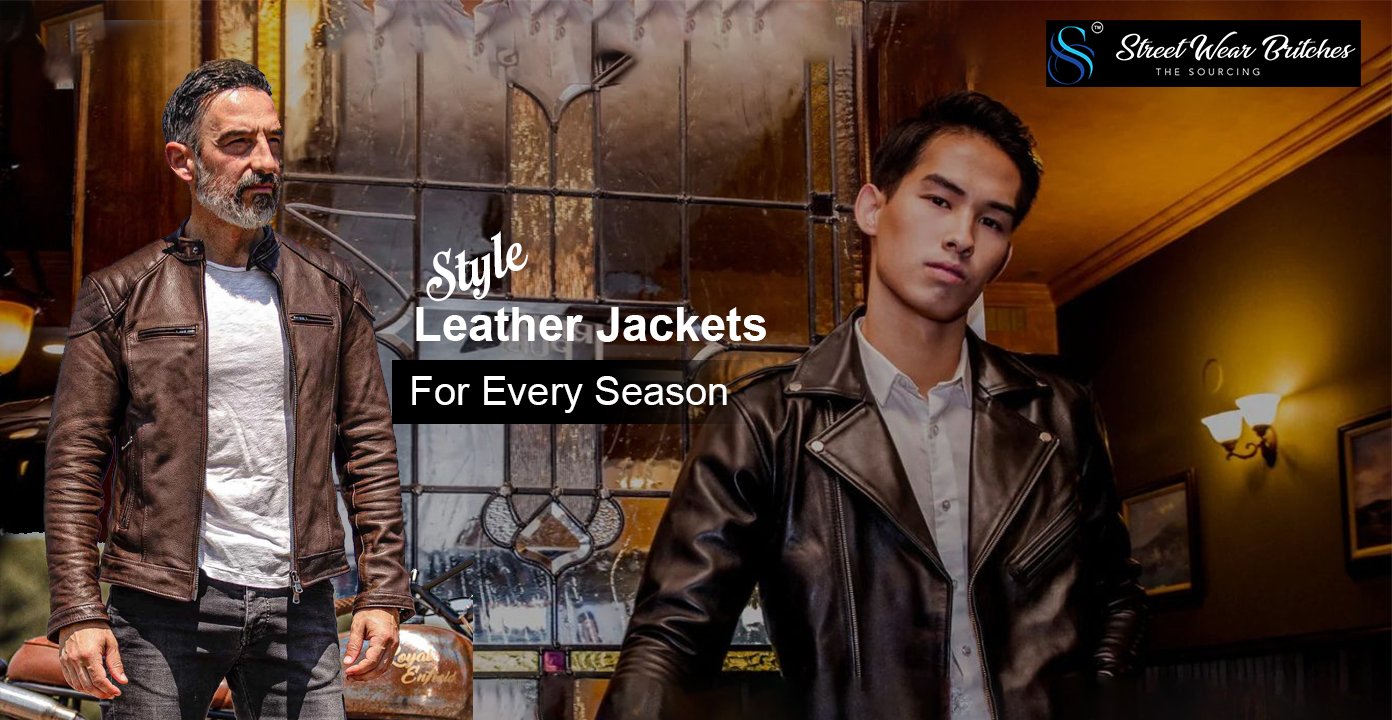
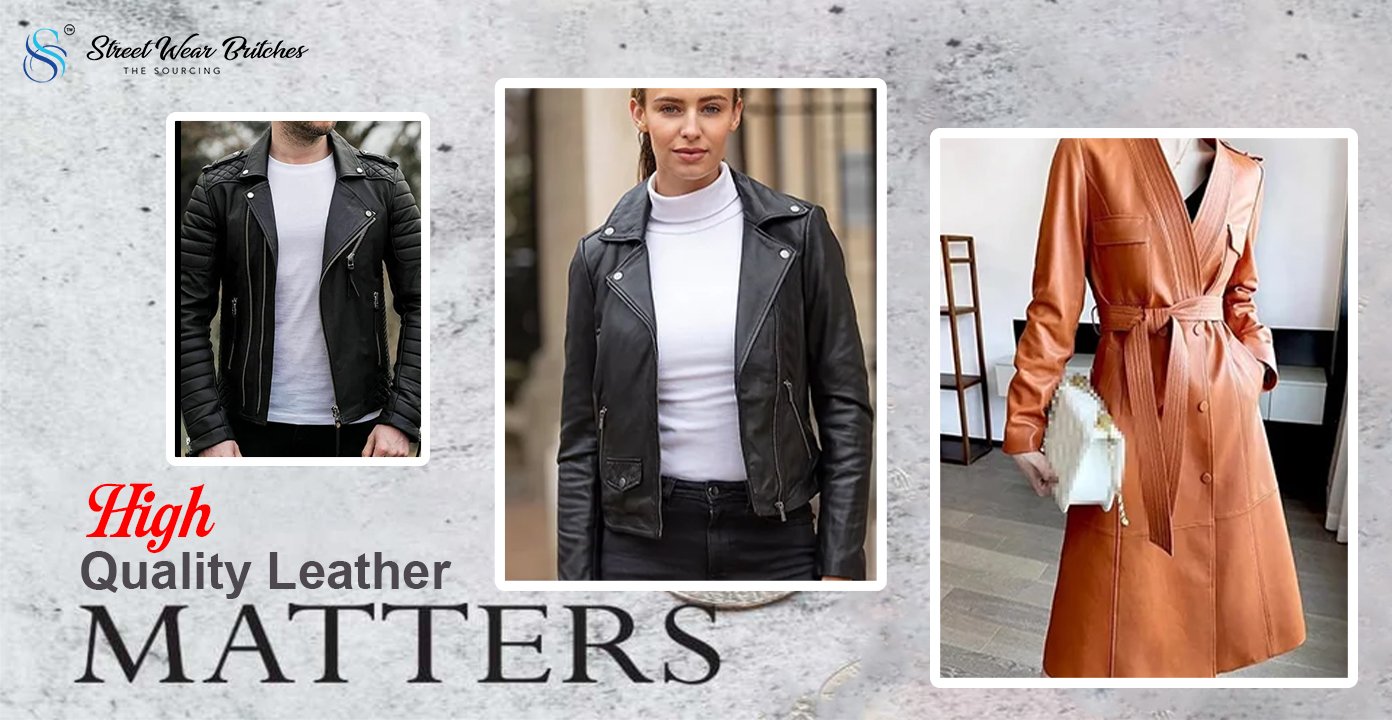
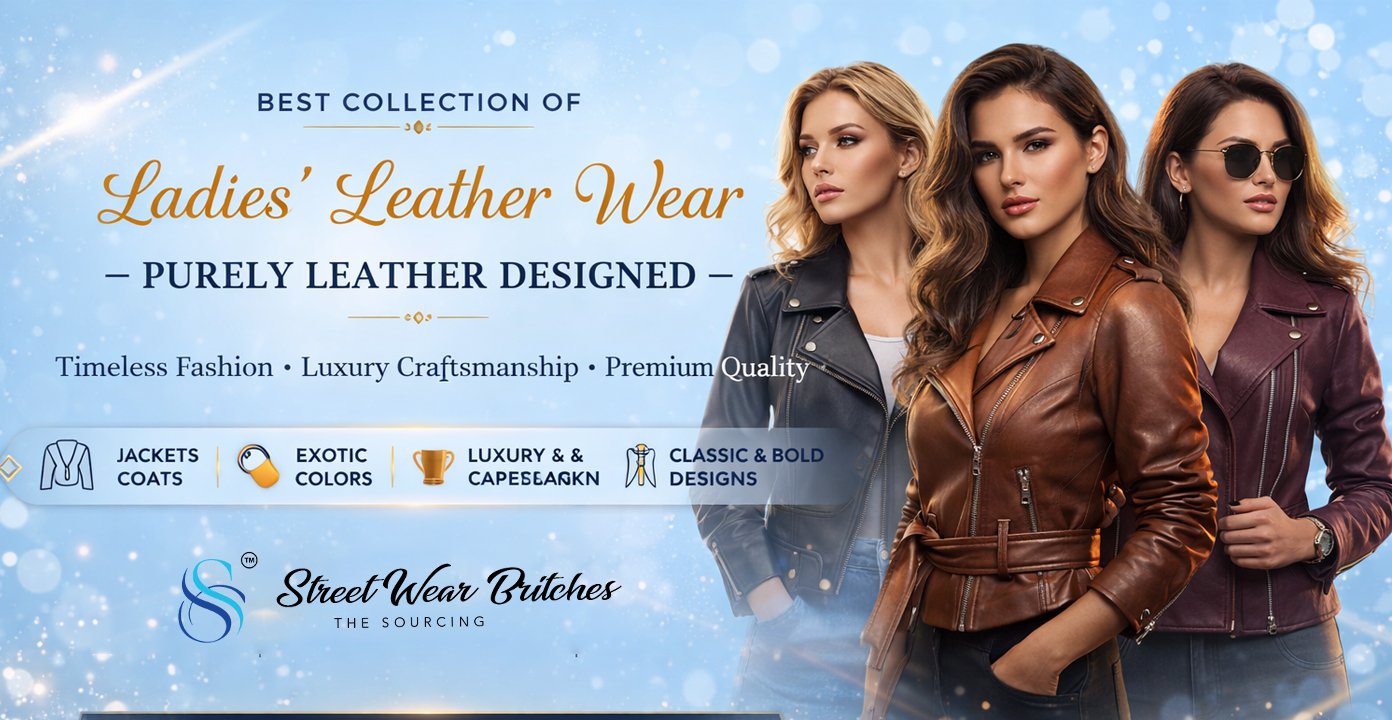
Leather jackets are one of the most recognised leather clothing categories. They are available in multiple designs, including biker-style jackets, casual jackets, fitted jackets and utility-inspired styles.
2. Leather Coats
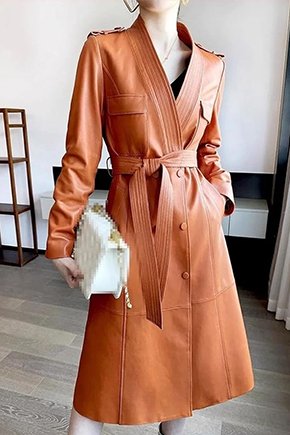
Leather coats provide a longer silhouette compared with conventional leather jackets. They can be developed in different colours and cuts for fashion-focused and seasonal collections.
3. Leather Skirts
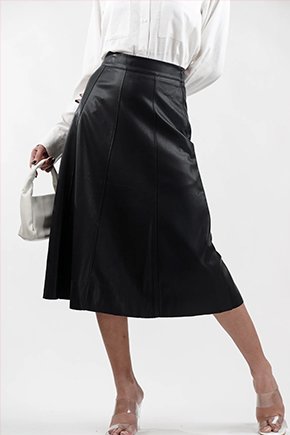
Leather skirts are available in different lengths, shapes and finishes. They can be included in women's fashion collections and combined with shirts, tops, jackets and other apparel.
4. Leather Trousers and Pants
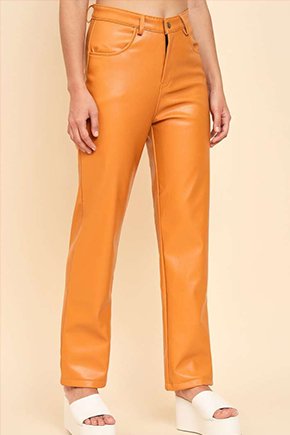
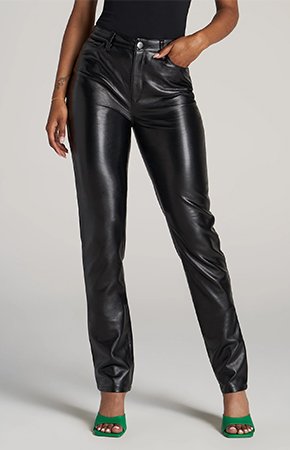
Leather trousers and pants are available in different fits and colours. They can be manufactured for both men's and women's fashion collections, depending on the target market and design requirements.
Important Features of Leather Garments
Durability: Quality leather garments can provide long-term use when properly maintained.
Distinctive Appearance: Leather has a characteristic surface and texture that gives garments a recognisable appearance.
Versatile Styling: Leather can be used for jackets, coats, trousers, skirts and other apparel.
Craftsmanship: Cutting, stitching, zippers, pockets, lining and finishing affect the final garment.
Finishing Options: Different finishes can be used according to the intended product design and application.
Leather Garments for Wholesale Buyers
Wholesale buyers generally need to evaluate leather garments from both product and commercial perspectives. A supplier should be able to provide clear information about materials, available designs, sizes, finishes, order quantities and production requirements.
Buyers should also consider whether the supplier can provide different garment categories. Sourcing jackets, coats, trousers and skirts from a supplier with a broader product range can simplify procurement for fashion businesses.
What to Check Before Buying Leather Garments?
| Buying Factor |
What to Check |
| Material |
Leather type, quality, surface and finish. |
| Construction |
Stitching, seams, lining, zippers, buttons and pockets. |
| Design |
Style, colour, cut and target customer. |
| Sizes |
Available sizes and required size ratios. |
| Bulk Order |
MOQ, production time, packaging and shipping requirements. |
How to Select a Leather Garment Supplier?
Businesses should compare suppliers based on their product range, material information, craftsmanship, finishing, sourcing practices, order requirements and ability to fulfil wholesale quantities.
A supplier offering jackets, coats, trousers and other leather garments can be useful for businesses looking to build a broader leather clothing collection.
Leather Garment Care
Proper care is important for maintaining the appearance and useful life of leather garments. Buyers should follow the manufacturer's care instructions and use suitable cleaning and storage methods.
Garments should also be stored appropriately to help maintain their shape and minimise unnecessary surface damage.
Conclusion
Leather garments include a wide range of products such as jackets, coats, skirts and trousers. Their distinctive appearance, durability and versatility make them suitable for different fashion and apparel collections.
For wholesale purchasing, businesses should evaluate material quality, garment construction, design, finishing, available sizes, MOQ and supplier capabilities before confirming an order.
Looking for Leather Garments for Your Business?
Explore leather jackets, coats, trousers and other leather clothing options for wholesale and sourcing requirements.